
Quick Answer:
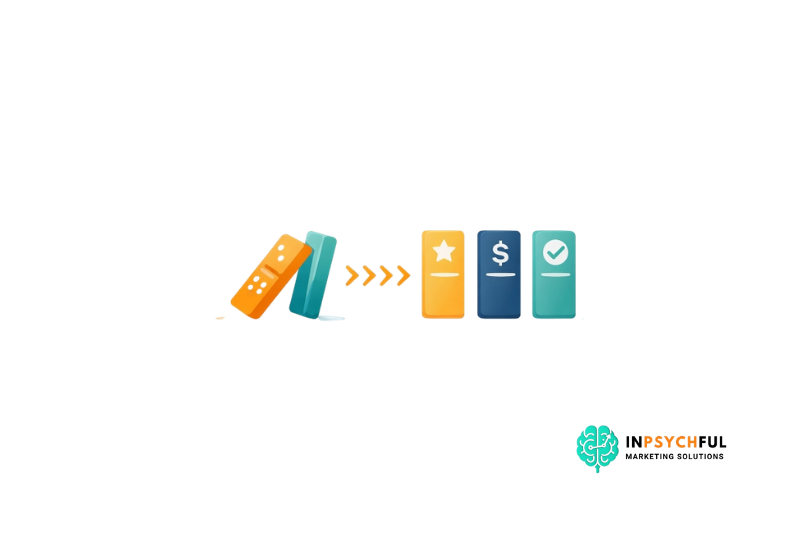
Priming is a subconscious cognitive phenomenon where exposure to one stimulus influences a person’s response to a subsequent stimulus.
In marketing, it is the strategic use of environmental cues like color, language, and imagery to prepare a consumer’s brain for a specific brand association or action before they reach a conscious decision point.
How Pre-Conscious Influence Works
Consumer decisions typically begin long before a person consciously evaluates a product.
The human brain relies on schemas, which are organized units of information stored in long-term memory, to process the world efficiently (Meyer & Schvaneveldt, 1971).
When a brand introduces a cue, it pre-activates a network of related associations. This makes specific information easier for the brain to retrieve.
This process is known as Associative Priming.
Core Environmental Cues in Marketing
1. Semantic Priming: The Impact of Language
Words do not just carry definitions. They carry cognitive weight. Research by Meyer and Schvaneveldt (1971) showed that subjects recognized words faster when preceded by a related term.
Action: Using verbs like “Secure” or “Verified” primes a mindset of safety.
Result: Achievement-related language has been shown to increase performance and engagement by up to 15% (Stajkovic et al., 2018).
2. Visual Priming: The Impact of Color
Color is a primary sensory trigger that bypasses slow, deliberate thinking. Data suggests that 62% to 90% of a person’s initial judgment of a product is based on color alone.
Competence: Blue is scientifically associated with trust and high quality (Labrecque & Milne, 2012).
Excitement: Red frequently evokes urgency or physical energy (Madden et al., 2000).
3. Goal Priming: The Impact of Prestige
Exposure to certain brand names can trigger subconscious goals.
For instance, being primed with prestige brands can shift a consumer’s preference toward higher-priced options without them realizing why their preference changed (Chartrand et al., 2008).
The Ethical Boundary: Alignment vs. Manipulation
Ethical marketing uses priming for Cognitive Alignment.
The goal is to reduce cognitive load by ensuring your brand’s signals match the value you actually provide.
When a visual prime like a cluttered website contradicts the service level like a high-end consultancy, it creates Cognitive Dissonance.
This mental friction leads to distrust and higher bounce rates. Professional priming simply ensures the invisible script is honest and consistent.
3-Step Audit for Your Brand Cues
The 5-Second Blur Test: Squint at your homepage. Do the shapes and colors prime expertise or chaos?
Semantic Consistency: Does the language in your ads match the vibe of your landing page?
Visual Anchoring: Are your imagery choices directing the user’s attention to the most important solution on the page?
References
Chartrand, T. L., Huber, J., Shiv, B., & Tanner, R. J. (2008). Nonconscious goals and consumer choice. Journal of Consumer Research, 35(2), 189, 201.
Labrecque, L. I., & Milne, G. R. (2012). Exciting red and competent blue: The importance of color in marketing. Journal of the Academy of Marketing Science, 40(5), 711, 727.
Madden, T. J., Hewett, K., & Roth, M. S. (2000). Managing images across cultures: A pricing sensitivity and brand equity approach to color. Journal of International Marketing, 8(4), 90, 107.
Meyer, D. E., & Schvaneveldt, R. W. (1971). Facilitation in recognizing pairs of words: Evidence of a dependence between retrieval operations. Journal of Experimental Psychology, 90(2), 227, 234.
Stajkovic, A. D., Locke, E. A., & Blair, E. S. (2018). A first examination of the relationships between CEO organizational priming and corporate performance. Applied Psychology, 67(3), 444, 467.